



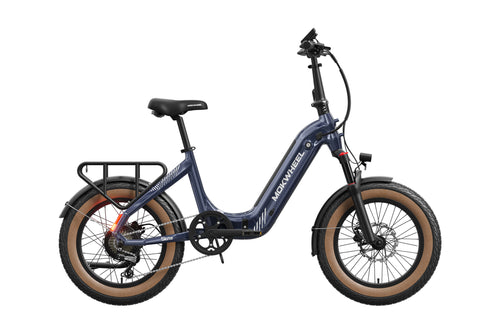


E-bike tyre pressure is easy to overlook, but it has a clear impact on how an E-Bike feels in everyday use. The right pressure can make a ride feel smoother, safer and more controlled, while the wrong pressure may affect comfort, handling and efficiency.
Even small changes can make a noticeable difference, especially when the route changes from city streets to uneven paths, or when the bike carries extra weight. That is why tyre pressure should not be treated as one fixed number. In practice, it works best when it is checked regularly and adjusted to the type of riding you actually do.

How Much Tyre Pressure Does an E-Bike Need
There is no single pressure value that suits every E-Bike. The right setting depends on tyre size, rider weight, luggage and where the bike is used. Still, some typical ranges can serve as a useful reference point.
The following e-bike tyre pressure chart gives a simple starting point for different riding styles and tyre types.
|
E-Bike Type |
Typical Tyre Pressure |
|
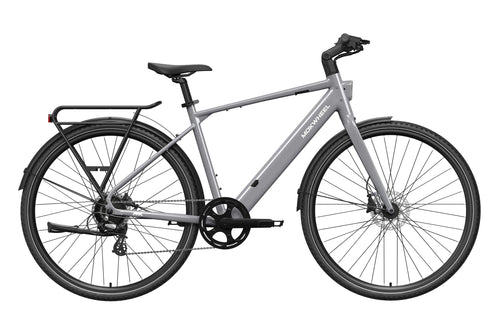
Electric city bike / Trekking E-Bike |
approx. 3.0–4.5 bar |
|
All-round E-Bike use |
approx. 2.5–4.0 bar |
|
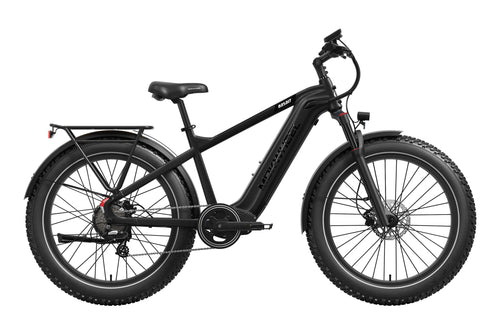
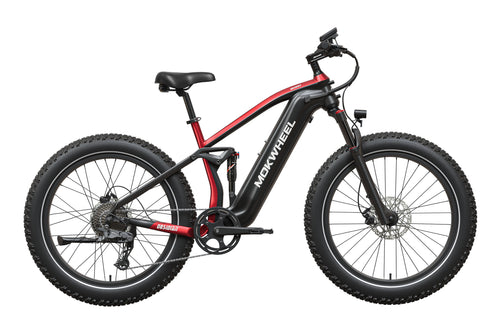
Fat Tyre E-bike / Electric off road bike |
approx. 1.8–3.0 bar |
These figures are only general guidance. The most important reference is always the pressure range printed on the tyre itself. That manufacturer recommendation should always come first, and any adjustment should remain within that range. In practice, tyre pressure for E-Bikes should always be adjusted within the range printed on the tyre sidewall.
For reference, 1 bar equals around 14.5 psi. In many cases, both units are shown on the tyre sidewall, which makes it easier to check pressure with different pumps or gauges.
It is also worth noting that front and rear tyres do not always need to be exactly the same. Because the rear wheel usually carries more weight, especially with the rider, battery and possible luggage, a slightly higher pressure at the back is often more suitable.
How to Adjust E-Bike Tyre Pressure Step by Step
Finding the right tyre pressure is easier when you work through it in a practical way rather than trying to guess the perfect number immediately.
The first step is always to check the recommended pressure range on the tyre. This defines the safe range within which the tyre is designed to perform. Going too far above or below that range can affect handling, comfort and tyre wear.
The next point to consider is the type of E-Bike. Models designed mainly for urban routes or longer paved rides usually benefit from slightly higher pressure, as this helps the bike roll more efficiently and feel smoother on asphalt. Bikes with wider tyres or models intended for rougher terrain usually work better with somewhat lower pressure, because this can improve grip and reduce harshness over uneven ground.
Weight also matters. The rider’s weight is part of the equation, but so is anything else carried on the bike. Shopping bags, work items or gear on a rear rack all increase the load on the tyres. In many cases, that means the pressure should be adjusted slightly upwards.
Finally, think about the type of surface you ride most often. Higher pressure tends to work better on smooth roads, where it supports a calm and efficient ride. Lower pressure is often more useful on gravel, uneven paths or looser ground, where extra grip and better shock absorption are more important.
For riders who use similar routes every week, it helps to make small adjustments and see how the bike responds. Over time, this makes it much easier to recognise what feels right in everyday use.

Which Tyre Pressure Works Best for Different Riding Conditions
In daily riding, the best tyre pressure usually depends on where the E-Bike is being used.
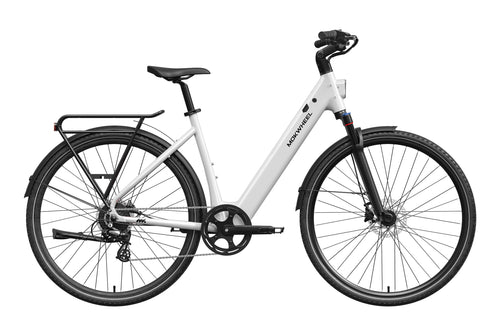
For city riding and daily commuting, slightly higher pressure is often the better choice. It reduces rolling resistance and helps the bike move more smoothly on paved roads. This can make the ride feel lighter and more efficient, especially over longer daily distances.
A model such as Asphalt ST, with 27.5 × 2.4 inch tyres, is designed for exactly this kind of use. It offers a well-balanced combination of comfort and efficiency, which makes it a good fit for riders who use their E-Bike regularly for commuting or city journeys.
For mixed routes, a mid-range pressure is usually the most practical solution. This allows the bike to stay versatile and stable when the ride includes a combination of asphalt, cycle paths and occasional unpaved sections. It is a good option for riders whose daily routes are not always the same.
On gravel, forest tracks or rougher terrain, lower pressure often makes more sense. It can improve traction, help the tyre adapt better to the ground and make the ride feel more controlled over bumps and loose surfaces.
This is especially noticeable on a Fat Tyre E-Bike such as Obsidian ST. With its wider tyres, the contact area with the ground is larger, which can improve grip and create a more stable feel on demanding routes. On loose or uneven terrain, this can make a very clear difference.
Why E-Bike Tyre Pressure Does Not Always Stay the Same
Tyre pressure naturally changes over time. Even when there is no visible puncture or obvious damage, tyres slowly lose air. This tends to happen gradually, which is why riders may not notice it straight away.
At the same time, no two E-Bikes are used in exactly the same way. Tyre width, tread design, bike weight, rider weight and the type of riding all influence the most suitable pressure. For this reason, tyre pressure should not be treated as something you set once and never revisit.
This matters even more on E-Bikes because they are generally heavier than traditional bicycles. The motor and battery add extra weight, which increases the load on the tyres. If pressure drops too low, the bike may start to feel less stable and less precise. If pressure is too high, the ride can become firmer and less comfortable, especially on poor road surfaces.
External conditions can also play a role. Temperature changes and longer periods without riding may affect pressure as well. That is why it makes sense to check the tyres before longer rides or after the bike has been standing for a while.

Common E-Bike Tyre Pressure Mistakes to Avoid
One of the most common mistakes is checking the tyres only by hand. Pressing the tyre with your fingers may give a rough impression, but it is not accurate enough to judge smaller differences in pressure. A pump with a pressure gauge is much more reliable.
Another frequent issue is riding with pressure that is too low for too long. This can increase tyre wear, make the bike feel heavier to ride and reduce riding stability. The tyres may also be placed under more strain, particularly when carrying extra weight.
On the other hand, pressure that is too high can also create problems. It may reduce comfort and make the bike feel less controlled on rough or uneven surfaces. Instead of absorbing small impacts, the ride can start to feel unnecessarily harsh.
A further mistake is simply not checking tyre pressure often enough. Because pressure changes slowly over time, it is easy to overlook. Yet even small deviations can affect how the bike behaves on the road.
Finally, riders should not ignore the pressure information provided by the tyre manufacturer. The range printed on the sidewall should always be the basis for any adjustment.
Conclusion: The Right Tyre Pressure Improves Everyday Riding
The right e-bike tyre pressure is not one universal number. It depends on the tyres, the total load and the kind of riding the bike is used for.
When pressure is checked regularly and adjusted with a little care, the result is usually a ride that feels more comfortable, more stable and more efficient. Even small changes can improve the overall riding experience and help an E-Bike perform better in everyday conditions.


