



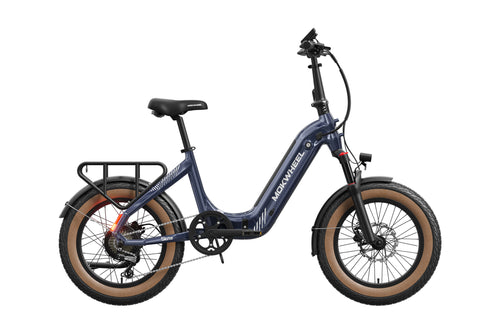


Keep Your Electric Bike Smooth, Safe, and Reliable in Cold Weather
When winter arrives, many riders choose to store their e-bikes away—not because electric bikes can’t be ridden in cold conditions, but because winter places much higher demands on proper maintenance.
Low temperatures, snow, rain, road salt, moisture, and shorter daylight hours can quietly accelerate battery ageing, increase component wear, and reduce overall riding safety if an e-bike is not well maintained.
The good news is simple:
👉 With the right winter care habits, your e-bike can perform reliably throughout the colder months—and may even last longer overall.
This guide covers everything you need to know about winter e-bike maintenance, including battery care, tyres, cleaning, drivetrain upkeep, brakes, storage, and safety.

Why Winter E-Bike Maintenance Matters More
Winter will not damage your e-bike overnight, but it does introduce a number of predictable challenges:
- Lithium-ion batteries operate less efficiently in low temperatures, reducing range
- Wet and icy roads reduce tyre grip
- Road salt and de-icing chemicals accelerate corrosion
- Moisture affects braking and drivetrain performance
- Tyre pressure drops as temperatures fall
- Charging a cold battery can compromise safety and battery lifespan
👉 Winter maintenance is about preventing problems—not fixing them later.
Battery Care: The Most Important Winter Priority
If there is only one winter rule to remember, it’s this:
Cold weather is not the enemy—charging a cold battery is.
How Cold Temperatures Affect E-Bike Batteries
- Low temperatures slow down internal chemical reactions
- Internal resistance increases, reducing power output and range
- Most winter range loss is temporary
What actually causes long-term damage:
👉 Charging the battery while it is still cold
Best Practices for Winter Battery Care
- When temperatures drop below 5°C (40°F), remove the battery and bring it indoors
- Never charge a battery that feels cold to the touch
- After riding, wait 30–60 minutes before charging
- Charge at room temperature: 10–20°C (50–70°F)
- Expect 20–40% less range in winter—this is completely normal
Long-Term Battery Storage in Winter
- Store the battery at 50–70% charge
- Avoid storing fully charged or completely empty batteries
- Check the battery level every 1–2 months
👉 Proper winter battery care can easily extend battery life by 1–2 years.

Tyres and Tyre Pressure: The Foundation of Stability and Safety
Why Tyre Pressure Is More Critical in Winter
- For every 10°F (≈5.5°C) drop in temperature, tyre pressure falls by about 1 PSI
- Under-inflated tyres reduce efficiency and handling
- Over-inflated tyres reduce grip on snow and ice
Winter Tyre Recommendations
- Check tyre pressure at least once per week
- Slightly lower pressure can improve traction on wet or snowy surfaces
If you frequently ride on snow or ice, consider:
- Studded tyres for icy conditions
- Wider tyres or deeper tread patterns for snow and slush
👉 Correct tyre pressure is key to confident winter riding.

Cleaning and Corrosion Protection: Road Salt Is a Silent Killer
Road salt and de-icing chemicals cause far more damage than rain alone.
Components Most at Risk of Corrosion
- Chain and cassette
- Brake calipers and brake disc edges
- Bolts, spokes, and exposed metal parts
Winter Cleaning Tips
- Wipe down your bike after riding on salted or muddy roads
- Use a damp cloth to clean the frame, wheels, and drivetrain
- Dry thoroughly to prevent moisture build-up
- Avoid pressure washers—they force water into bearings and seals
- Apply bike-specific anti-corrosion spray (avoid brake discs)
👉 One extra wipe-down in winter can prevent costly replacements later.
Chain and Drivetrain: Faster Wear in Cold Conditions
Why Drivetrains Suffer in Winter
Water + salt + grit combine to form an abrasive paste that accelerates wear.
Winter Drivetrain Maintenance Tips
- Clean and lubricate every 50–80 km (30–50 miles)
- Use a wet-condition chain lubricant designed for rain and snow
- Wipe off excess lubricant to prevent dirt build-up
- Regularly check for rust or chain stretch

Brakes: Your Winter Safety Essential
Winter riding places extra strain on braking systems.
What to Check Regularly
- Brake pad wear
- Unusual noises or reduced braking power
- Soft or inconsistent brake feel
Best Practices
- Replace worn brake pads promptly
- Clean brake discs with isopropyl alcohol
- Test front and rear brakes at low speed before every ride
👉 In winter, your brakes must be reliable—not just functional.
Electrical Components and Moisture Protection
Even with water-resistant e-bikes, good winter habits still make a difference.
Electrical Care Tips
- Wipe snow and water from displays and control buttons
- Ensure battery contacts are dry before installation
- Keep all rubber port covers closed
- If the bike is covered in snow, allow it to thaw indoors before switching on
Winter Storage: Prepare for Spring Riding
Ideal Winter Storage Conditions
- Dry, well-ventilated space
- Temperature between 10–20°C (50–70°F)
- Store the battery separately if possible
Before Storage
- Clean the entire bike
- Lubricate the chain
- Inflate tyres to normal pressure
- For long-term storage, use a breathable, weather-resistant bike cover
Two-Minute Pre-Ride Winter Safety Check
Before setting off, quickly confirm:
- Battery is warm and sufficiently charged
- Tyre pressure suits current conditions
- Front and rear brakes work properly
- Lights are fully functional
- Wheels and drivetrain are free of ice and debris
Final Thoughts: Winter Maintenance Is an Investment
Winter won’t immediately ruin your e-bike—but neglecting winter care almost always shortens its lifespan.
Focus on the essentials:
- Protect the battery
- Maintain tyres and brakes
- Remove road salt and moisture
- Store the bike correctly
With a little extra attention, your e-bike can remain smooth, reliable, and comfortable all winter long—and be ready to ride as soon as spring arrives.


