


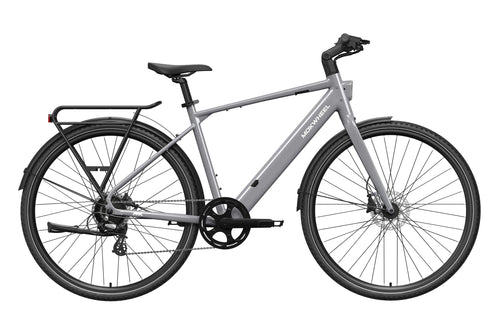
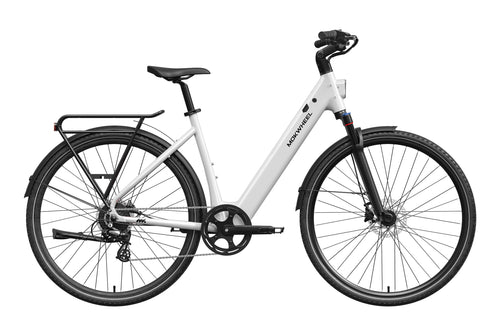
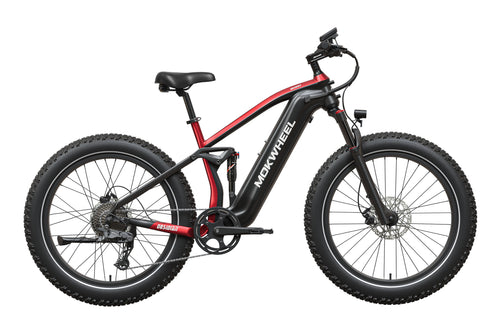

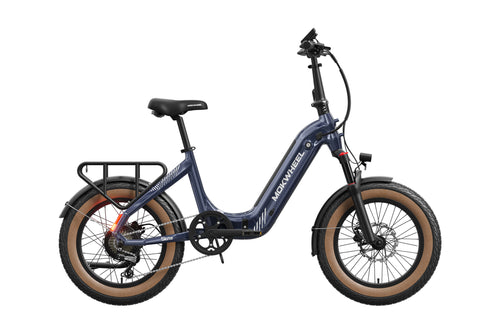


An electric bicycle may look simple at first: pedals, a motor, a battery and a display. On European roads, however, small technical differences can change how it is treated. A standard pedal-assist bicycle, a faster S-Pedelec and a higher-powered model may all offer electric support, but they do not always fall under the same rules.
For riders, the useful question is not only how far or how comfortably a bike can ride. It is also how the motor works, how fast assistance continues and whether the bike is treated more like a bicycle or closer to a regulated motor vehicle. Understanding these basics makes everyday riding clearer, whether the bike is used for commuting, city mobility or relaxed leisure rides.

How Are E-Bikes Classified in Europe
European E-Bike rules usually begin by separating standard pedal-assist bicycles from faster or more powerful electric vehicles. This classification affects how the bike is built, how it may be used on public roads and whether extra requirements may apply.
Standard EPACs and Pedelecs
The most common category is the EPAC, short for electrically power assisted cycle. In everyday language, it is often also called a pedelec. The key point is that the motor supports the rider’s pedalling rather than replacing it.
A standard EPAC is generally based on a maximum continuous rated motor power of 250W. Assistance is reduced and then stops when the bike reaches 25 km/h, or earlier when the rider stops pedalling. This is also the scope used in EN 15194 for EPAC bicycles.
For many riders, this is the most familiar form of electric cycling. It suits city rides, commuting, local errands and relaxed weekend journeys because it keeps the bicycle-like riding experience while reducing effort when support is needed.
S-Pedelecs and Faster E-Bikes
S-Pedelecs belong to a different area. They are designed to provide assistance beyond the standard 25 km/h EPAC limit, often up to 45 km/h. Because of this higher assisted speed, they are commonly treated closer to mopeds or other regulated vehicle categories in many European countries.
That difference can affect everyday use. Depending on local law, S-Pedelecs may require insurance, registration, a licence, a specific helmet or restricted access to cycle paths. This is why two electric bicycles may look similar but follow different road-use requirements.
E-Bike Classification at a Glance
| Categroy | Motor Power | Assisted Speed | Licence / Insurance | Cycle Path Use |
| Standard EPAC / Pedelec | 250W | 25 km/h | Usually not required | Usually allowed |
| S-Pedelec | Often above 250W | Up to 45 km/h | Often required | Often restricted |
| Higher-powered models | Above EPAC limits | Depends on model | Depends on local law | Depends on local law |
The main point is that legal treatment depends on power, assistance speed and how the motor works. The appearance of a bike alone does not show which rules apply.

Which Safety Standards and Legal Requirements Matter for E-Bikes in Europe
Once the category is clear, safety standards and road-use requirements become easier to understand. European rules are not only about speed. They also shape how electric assistance should behave, how products are designed and how batteries are managed over time.
EN 15194 and EPAC Safety
EN 15194 is one of the central European standards for EPAC bicycles. It covers safety and performance expectations for electrically assisted bicycles within the standard EPAC range, including the 250W and 25 km/h assistance limits.
For everyday riders, this matters because it helps keep the riding experience predictable. A standard EPAC should assist while the rider pedals, reduce support at the required speed and stop assistance when pedalling stops. In practical terms, it remains a bicycle with electric support, not a small electric motorcycle.
Helmet, Insurance and Licence Rules Across Europe
For standard EPACs, many European countries treat them broadly like conventional bicycles. In many cases, ordinary pedal-assist use does not require motor-vehicle registration, a driving licence or compulsory insurance.
Faster categories are different. S-Pedelecs may be subject to stricter requirements because of their higher assisted speed. In some countries, this can include insurance, registration, a licence, an approved helmet or limits on cycle path use. The safest approach is to check the rules in the country or city where the bike will actually be ridden.
Battery Safety and New EU Battery Rules
Battery safety is becoming more important as electric mobility grows across Europe. Newer EU battery rules focus on areas such as safety, sustainability, labelling and end-of-life management. They also reflect the growing role of batteries used in light means of transport.
For riders, the practical takeaway is simple: the battery is not only about range. Charging behaviour, battery quality, replacement availability and after-sales support all affect long-term use. A reliable battery system helps make an E-Bike safer and easier to own over time.
Why Safety Standards Matter When Choosing an E-Bike
Safety standards help make an electric bicycle’s category and intended use clearer. Motor power, assisted speed, battery details and product information should be easy to understand. When those details are unclear, it becomes harder to know whether the bike fits standard EPAC use or another category.
This matters for everyday riders because the legal category is tied to how the bike behaves, not simply how it looks. A commuter-friendly model, a leisure bike and a more rugged design can all be practical, but their motor assistance and speed limits still need to fit the rules of the place where they are used.
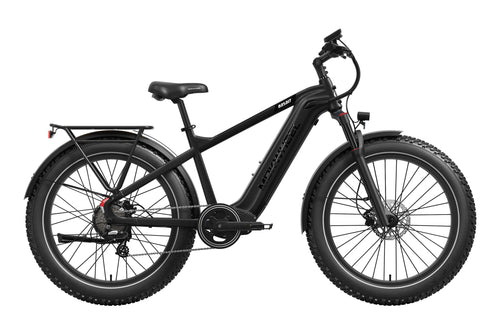
For example, the Mokwheel Basalt 2.0 Ebike can be considered through these practical points: how the motor assistance works, what speed range the support is designed for, how the battery is specified and what kind of riding the bike is intended to handle. This same way of thinking also applies to a Fat Tyre E-bike, where tyre size may affect comfort and stability, but the legal category still depends on motor assistance, speed and local rules.
Why Local E-Bike Rules Can Differ Across Europe
Europe has common product frameworks, but road rules are not identical everywhere. That is why riders should separate two things: product classification and actual road use.
EU Framework vs Local Riding Rules
EU-level frameworks help define technical categories and product expectations. Local traffic rules decide many everyday details, such as where a rider may use a bike, how cycle paths are managed, whether helmets are required in specific cases and how faster electric vehicles are treated.
This is especially relevant for riders who travel between countries. A standard EPAC may feel familiar in many places, but local road signs, age rules, lighting requirements or S-Pedelec restrictions may still differ.
What Riders Should Check Before Riding
Before riding regularly, it is worth checking the basic category of the bike. Is it a standard EPAC? Does assistance stop at 25 km/h? Does the motor only support pedalling? Or does the bike fall into a faster or higher-
powered category?
Riders should also check local requirements for helmets, lights, reflectors, age limits, cycle path access and insurance. These details can be set at national, regional or city level, so they should be checked where the bike is actually used.
Common Mistakes to Avoid
One common mistake is assuming that all electric bicycles follow the same rules. Another is focusing only on speed or motor power without looking at how the bike is classified.
Modifications can also create problems. Removing a speed limiter, changing motor output or adding controls that move the bike outside the EPAC category may change its legal status. What begins as a small technical change can create a different set of road-use requirements.
It is also risky to assume that one rule applies everywhere in Europe. The market may be connected, but traffic rules remain local in important ways.

The Future of E-Bike Regulation in Europe
E-Bikes are becoming a normal part of European mobility. They are used for commuting, family routines, delivery work, leisure rides and everyday transport. As their role grows, the rules around them are likely to become clearer and more detailed.
Future attention will probably remain on battery safety, product transparency, sustainable battery management, road sharing and the distinction between standard EPACs and faster electric vehicles. This does not make electric cycling less attractive. It helps make the category easier to understand and safer to use.
For riders, clearer rules can be helpful. They make it easier to recognise which E-Bikes are suitable for everyday bicycle-like use and which models need more attention before being used on public roads.
Conclusion: Understanding E-Bike Rules Before You Ride
E-Bike laws in Europe are mainly about clarity. They help separate standard pedal-assist bicycles from faster or higher-powered electric vehicles and explain why different rules may apply.
For many riders, a standard EPAC remains a practical choice for commuting, city mobility and relaxed leisure rides. It keeps the familiar cycling experience while adding support when needed. S-Pedelecs and higher-powered models can also have their place, but they usually require closer attention to local rules.
The most sensible approach is to understand the category, check the key limits and follow the rules where the bike is used. With that foundation, E-Bikes can remain a comfortable, practical and reliable part of everyday mobility across Europe.


