


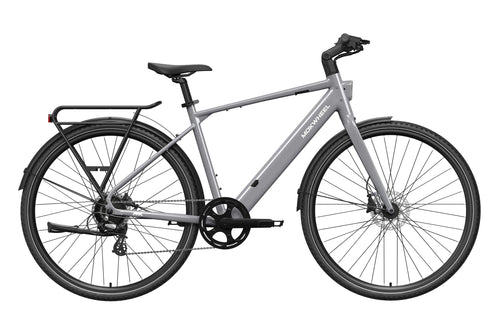
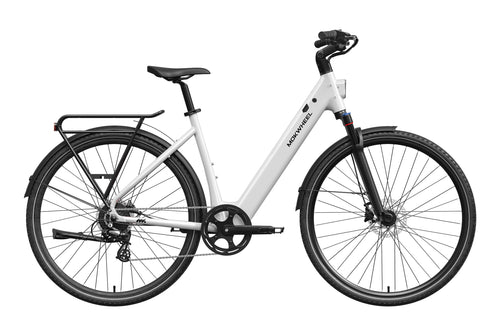
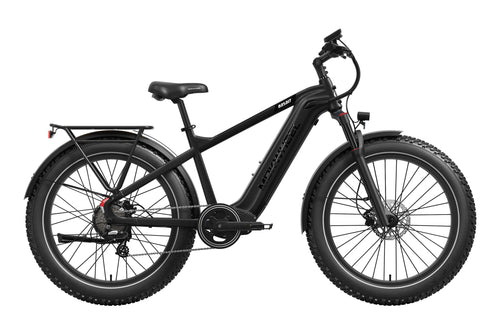
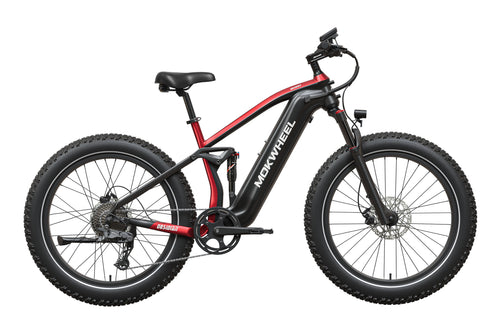

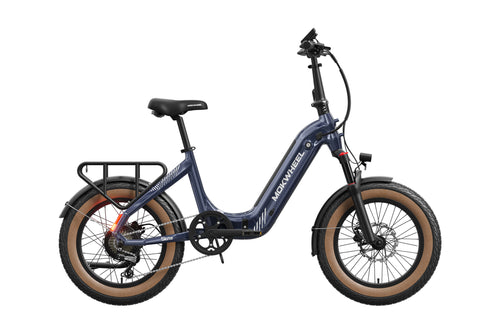


An E-Bike should not only look right. It should also feel right when you ride it. Many riders first look at wheel sizes such as 26 inch, 27.5 inch or 28 inch. These numbers are useful, but they do not tell the full story.
The more important question is whether the bike fits your body and your riding style. Can you sit comfortably? Can you reach the handlebar without stretching too far? Can you get on and off safely? Can you control the bike when riding slowly or stopping?
That is why ebike size is about more than one number. Frame size, wheel size, riding position, tyre width and the way you plan to use the bike all work together. When these details match, an E-Bike feels easier, safer and more natural to ride.

What Really Matters When Choosing the Right E-Bike Size
When choosing an E-Bike, the most important point is simple: the bike should feel stable, comfortable and easy to control. Frame size plays a major role because it affects your posture, your reach to the handlebar and how confident you feel when stopping.
Wheel size is different. A number such as 26 inch or 28 inch usually refers to the wheel or tyre size, not the complete bike fit. It can influence how the bike rolls, how stable it feels and what kind of terrain it suits, but it does not replace frame fit.
A frame that is too large can make you stretch too far forward. Over longer rides, this may create discomfort in the back, shoulders or arms. A frame that is too small can feel cramped and may not give enough room for a relaxed riding position.
Getting on and off also matters. E-Bikes are usually heavier than traditional bicycles because of the motor and battery. For this reason, the right size should help you stay in control when stopping, turning, parking or riding slowly.
Tyres and wheel size still matter, but they should be viewed as part of the full setup. Wider tyres can feel more stable on uneven ground, while larger wheels may roll more smoothly on paved roads. A good ebike size guide should therefore consider frame size, wheel size, seating position and real riding use together.
How to Measure E-Bike Frame Size Correctly
If you want to understand an ebike frame size, you can measure it with a tape measure. This can be useful when comparing an existing bike with a new model or when trying to understand why one E-Bike feels more comfortable than another.
On some modern E-Bikes, especially step-through frames or fat tyre models, the frame shape can be different from a traditional bicycle. That means the measurement is not always perfectly straightforward. Still, it can give you a helpful reference.
Place the E-Bike on Level Ground
Start by placing the E-Bike on flat ground. It should stand straight rather than leaning heavily against a wall. If possible, ask someone to hold the bike steady while you measure.
Then find the seat tube. This is the tube where the seat post goes into the frame. On some E-Bikes, this area may look slightly different because of the battery placement or frame design, but the seat tube area is still the main reference point for measuring frame height.
Find the Centre of the Bottom Bracket
The bottom bracket is the point where the crank arms and pedals connect to the frame. This is the starting point for frame size measurement.
Do not start from the floor or from the lowest point of the frame. Start from the centre of the bottom bracket, because this gives a more meaningful frame measurement.
Measure to the Top of the Seat Tube
Measure from the centre of the bottom bracket to the top of the seat tube. The result in centimetres gives you an approximate frame height.
For a classic frame, this measurement is usually easy to understand. For a step-through frame, the result may be less direct because the frame shape is lower and more open. In that case, the number should be treated as a guide rather than the only deciding factor.
Understand What the Measurement Means
A measured frame size can help, but it does not tell the full story. Two E-Bikes with similar frame heights can feel different if the handlebar position, saddle height, frame shape or tyre size is different.
Your inseam measurement can also help. To measure it, stand barefoot against a wall, place a book between your legs as if it were a saddle, and measure from the floor to the top edge of the book. This gives a better idea of how much room you need when pedalling, standing and stopping.

E-Bike Size Chart: Which Frame Size Fits Your Height
Your height is a good starting point, but it should always be considered together with inseam length, frame shape and riding position. Two people with the same height may have different leg lengths, so any ebike size chart should be treated as a practical guide, not an exact rule.
| Rider Height | Suggested E-Bike Size | What to Check |
| 155–165 cm | Smaller frame | Easy access, stable control |
| 1165–175 cm | Medium frame | Comfortable posture, suitable handlebar height |
| 175–185 cm | Medium to larger frame | Enough legroom, relaxed upper body |
| Above 185 cm | Larger frame | More space, comfortable reach |
After checking the chart, it is still worth looking at the actual seating position. The saddle should be adjustable to a comfortable height. The handlebar should be reachable without locking your arms. Getting on and off should feel secure, especially if the bike is heavier than a normal bicycle.
For riders around 155 cm to 185 cm, Scoria 3.0 can be a useful example of a model with a broad recommended rider height range. This type of information helps narrow down the choice, but it should still be checked together with comfort, posture and control.
Which E-Bike Size Fits Your Riding Style
The right size also depends on how you ride. A bike used mainly for short city trips does not need to feel the same as one used for longer weekend tours or mixed outdoor routes.
For short daily rides, a medium frame, easy handlebar reach and a comfortable step-over or step-through design are often more important than a large frame. Riders around 165 cm to 175 cm often feel comfortable with a medium size, but the key point is whether they can stop safely and control the bike at low speed.
For longer weekend rides, the E-Bike can offer a bit more room as long as the riding position remains relaxed. Riders around 175 cm to 185 cm may often prefer a medium to larger frame. The upper body should not be pulled too far forward, because a calm posture helps reduce strain on the back, shoulders and knees.
For gravel paths, forest routes, camping trips or fishing rides, tyre width and stability become more important alongside frame size. A 26-inch E-Bike with wider tyres can feel stable and planted, while 27.5-inch or 28-inch wheels may roll more smoothly on paved roads.
The main point is balance. The frame should fit your height, while the wheel size and tyre setup should match the places you ride most often. For many riders, a calm, comfortable and reliable ride matters more than a single number on a specification chart.
This is also where Mokwheel models are usually better understood by use case rather than size alone. A rider who mainly wants relaxed city rides may focus on comfort and easy handling, while someone planning mixed outdoor routes may care more about tyre width, stability and a confident riding position.

FAQ
Q1: What E-Bike frame size do I need?
The right frame size depends mainly on your height and inseam length. Riders around 165–175 cm often fit a medium frame, while riders around 175–185 cm may need a medium to larger frame. The final choice should also consider comfort, reach and how secure the bike feels when stopping.
Q2: How do I measure the frame size on an E-Bike?
Place the E-Bike on level ground and find the centre of the bottom bracket, where the pedals connect to the frame. Measure from that point up to the top of the seat tube. The result in centimetres gives an approximate frame size.
Q3: Is frame size more important than wheel size?
For body fit, frame size is usually more important. It affects seating position, handlebar reach and how easily you can get on and off. Wheel size usually describes the tyres or wheels and has more influence on rolling feel, stability and riding surface.
Q4: Where can I find the tyre size on an E-Bike?
The tyre size is printed on the sidewall of the tyre. You may see numbers such as 26 × 4.0, 27.5 × 2.4 or 28 × 2.0. The first number usually refers to wheel diameter in inches, while the second number shows tyre width. When replacing a tyre, the new size should match the marking on the old one.
Q5: Can I ride an E-Bike if I am between two sizes?
If you are between two sizes, comfort and control should guide the decision. A smaller frame can feel easier to handle and may make getting on and off simpler. A larger frame can offer more space, but it may feel less manageable at low speed.
Q6: Is height enough to choose the right E-Bike size?
Height is useful as a first guide, but it is not always enough. Two riders can be the same height and still have different inseam lengths. It is also important to check whether you can sit comfortably, reach the handlebar naturally and stand securely when stopping.
Conclusion: The Right E-Bike Size Is More Than a Number
The right E-Bike size cannot be decided by wheel size or frame height alone. A good fit depends on frame shape, seating position, step-over height, tyre setup and how the bike will be used.
This matters even more with E-Bikes because the motor, battery and frame design can affect how the bike feels when starting, stopping and moving slowly. A model that looks right on paper should also feel stable and comfortable in real riding situations.
When frame size, rider height, inseam length and riding style work together, the result is a bike that feels easier to control and more comfortable over time. That is the real purpose of choosing the right E-Bike size.
Read More: E-Bike Tyre Pressure: How to Find the Right Pressure for Everyday Riding


