



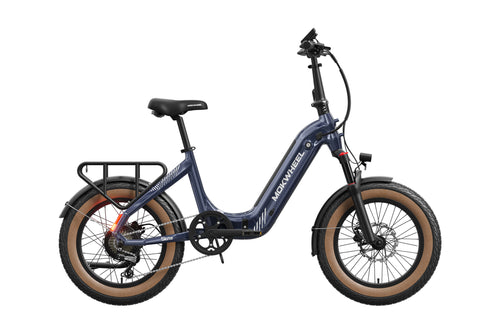


Choosing the right braking system for your e-bike is more than just a technical decision—it’s about safety, control, and confidence on every ride. Whether you’re navigating busy city streets, tackling steep trails, or covering long distances, your brakes play a crucial role in your overall experience. Two popular options—mechanical and hydraulic disc brakes—each offer unique strengths.
Understanding these differences is essential for selecting the system that best suits your riding style and needs. To help you make the best choice, we’ll also highlight some of the top e-bike models.
Understanding Mechanical and Hydraulic Disc Brakes
How Do Mechanical Disc Brakes Work?
Mechanical disc brakes operate using a cable system, similar to traditional bicycle brakes. When the brake lever is pulled, the cable tightens and presses the brake pads against the rotor, creating friction to slow down or stop the bike.
Advantages:
-
Easy Maintenance: Simple to repair and adjust.
-
Cost-Effective: More budget-friendly, both in initial cost and repairs.
Disadvantages:
-
Lower Performance: Limited braking power compared to hydraulic systems.
-
Cable Stretch: Performance may decrease over time due to cable stretch.
What Are Hydraulic Disc Brakes?
Hydraulic disc brakes use fluid-filled hoses to transfer pressure from the brake lever to the calipers. This system provides smoother and more powerful braking performance and is often found on higher-end e-bikes.
Advantages:
-
Superior Braking Power: More effective stopping, especially in wet conditions.
-
Better Modulation: Offers finer control over braking force.
Disadvantages:
-
Higher Cost: More expensive than mechanical systems.
-
Complex Maintenance: Requires specialized knowledge or professional servicing.
Head-to-Head Comparison: Mechanical vs. Hydraulic Disc Brakes
Braking Performance and Power
Hydraulic disc brakes generally outperform mechanical brakes in terms of stopping power and control. The hydraulic system provides a smoother feel and allows for better modulation and precise braking. This can be especially advantageous on steep descents or in wet conditions, where stopping distance and reliability are critical.
Maintenance and Durability
Mechanical brakes are easier to maintain, as most riders can adjust the cables themselves. However, cables can wear out over time, reducing performance. Hydraulic brakes, on the other hand, require more specialized maintenance, including fluid changes. Despite the added complexity, they typically last longer without significant upkeep, as their sealed systems prevent dirt from affecting performance.
Cost Considerations
Mechanical disc brakes are generally more affordable, making them a good choice for riders on a budget. Hydraulic brakes, while more expensive, offer greater long-term value due to their enhanced performance and durability. Riders concerned with upfront costs may consider mechanical brakes, while those seeking top performance will benefit from choosing hydraulic brakes.
Top E-Bikes with Hydraulic Disc Brakes
To help you choose the perfect e-bike, here are some top models featuring hydraulic disc brakes, each tailored to the specific needs and preferences of the rider.
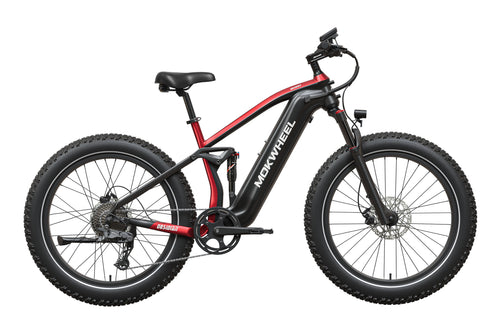
Obsidian: Full-Suspension E-Bikes with Solar Charging

-
Price: €2,199.00
Features: Equipped with a powerful 250W hub motor and a 48V 19.6Ah battery, the Obsidian offers speeds of up to 25 km/h and an impressive range of 130 km. With a total load capacity of 180 KG, this bike is designed for both performance and rugged use. The 130mm adjustable suspension provides comfort across various terrains. Recommended for taller riders, the Obsidian is suitable for heights between 170 cm and 190 cm.Ideal For: Riders seeking a powerful, full-suspension e-bike with advanced features like solar charging, suitable for long rides and challenging off-road terrain.
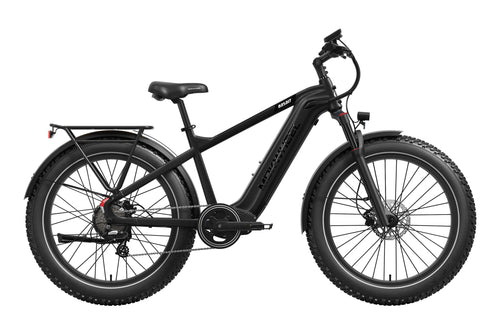
Basalt / Basalt ST: Fat Tire Electric Mountain Bikes

-
Price: €1,799 (Basalt) / €1,699 (Basalt ST)
Features: The Basalt models are perfect for those seeking a sturdy yet cost-effective e-bike. They are equipped with 250W hub motors and a 48V 19.6Ah battery, offering similar power and range as the Obsidian. These bikes feature 110mm adjustable suspension (Basalt) or 100mm adjustable suspension (Basalt ST), suitable for rider heights between 165 cm and 200 cm. Hydraulic disc brakes provide reliable stopping power. Additionally, both models include a solar charging feature, offering more convenience for long rides and eco-friendly energy options.
Ideal For: Adventurous riders who value performance, fat tires for stability, and eco-friendly features like solar charging, making them perfect for mountain trails and varied terrain.
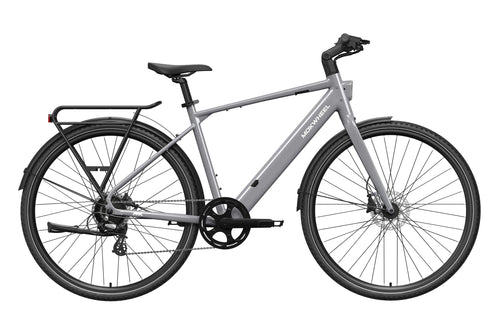
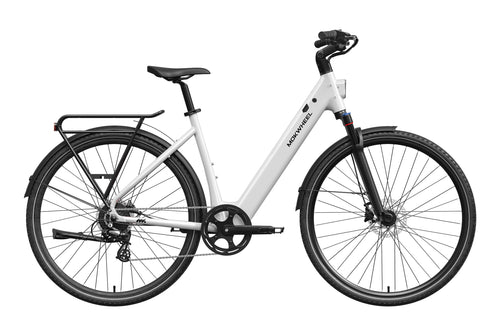
Asphalt / Asphalt ST: Long-Range E-Bikes for Commuters

-
Price: €1,299.00
Features: The Asphalt series offers a balanced mix of affordability and performance. Equipped with a 250W motor and a 36V 14.7Ah battery, these bikes can travel up to 90 km per charge. The 80mm adjustable suspension provides a smooth ride, while hydraulic disc brakes ensure effective stopping power. Both the Asphalt and Asphalt ST are suitable for riders between 165 cm and 200 cm in height.
Ideal For: Daily commuters and long-distance riders looking for an affordable yet powerful e-bike that delivers a quiet, reliable ride with excellent braking performance.
Choosing the Right Brake System for Your Riding Needs
Who Benefits Most from Mechanical Brakes?
Mechanical disc brakes are ideal for casual riders or those who use their e-bike for short trips. They are easy to maintain, cost-effective, and perform well on flat or mildly hilly terrain. Riders who prefer a simpler system that they can service themselves may also find mechanical brakes more appealing.
Who Should Opt for Hydraulic Brakes?
Hydraulic brakes are best suited for performance-oriented riders who frequently ride in challenging terrain or need reliable braking in various weather conditions. Their higher braking power and smoother operation make them a favorite among mountain bikers and long-distance commuters. If you often ride on steep terrain or prioritize safety and comfort, hydraulic brakes are worth considering.
When choosing between mechanical and hydraulic brakes, consider your budget, the terrain you ride on, and your maintenance preferences. High-performance riders or those riding in demanding environments will benefit from the reliability and strength of hydraulic brakes, while casual riders or commuters may prefer the affordability and easier maintenance of mechanical brakes.
FAQs
Are Hydraulic Disc Brakes Worth the Investment for Casual Riders?
For casual riders, the cost of hydraulic brakes may not be justified, but their performance advantages can be significant if you ride in challenging conditions.
How Often Should E-Bike Brakes Be Maintained?
Mechanical brakes generally need regular adjustments, whereas hydraulic brakes require a brake fluid change every 1–2 years.
Conclusion
Both mechanical and hydraulic disc brakes have their place in the world of e-bikes. Mechanical brakes offer simplicity, affordability, and ease of maintenance, making them ideal for casual riders and those on a budget. In contrast, hydraulic brakes provide higher performance, enhanced safety, and greater durability, which can be invaluable for frequent riders and those navigating challenging terrain. Choose based on your riding style, budget, and maintenance preferences to get the most out of your e-bike experience.
Discover the latest e-bike deals and enjoy amazing discounts.


