


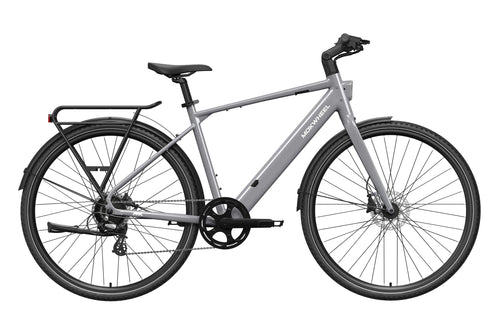
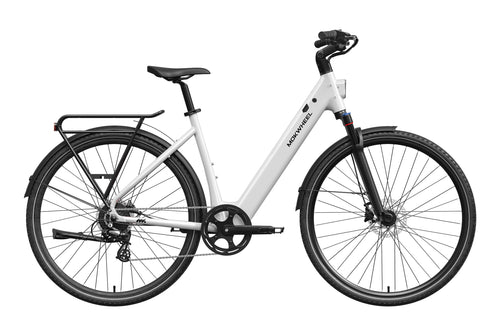
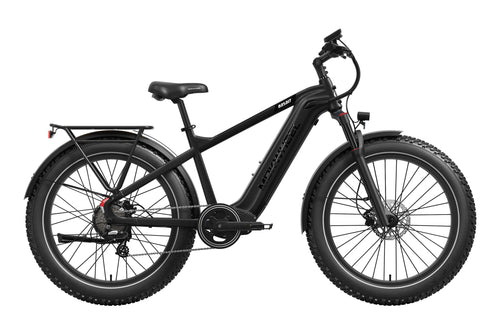
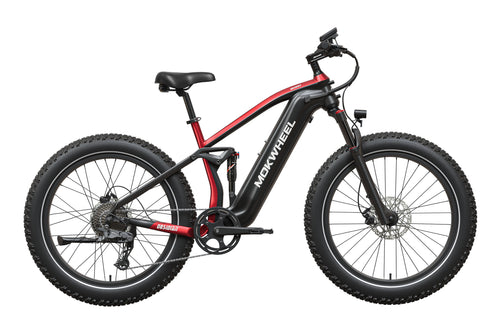

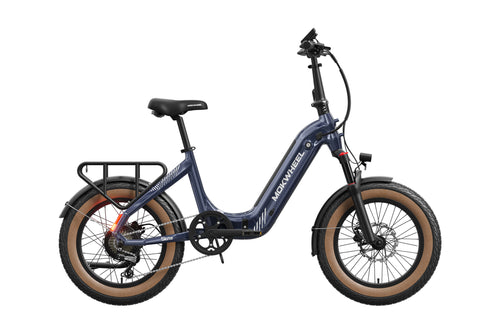


The Battery is one of the essential components of an E-Bike and one of the most expensive. The battery is a crucial factor in the range (how far you can travel on a single charge), top speed, and performance of your E-Bike. If you're considering purchasing an E-Bike, you should first learn about the different Battery types available. Here's everything you need to know about E-Bike Batteries.
Structure matters. The structure (Cell Chemistry) is an important factor in the performance of an E-Bike Battery. There are three primary Battery structures used in E-Bikes.
Lead-acid Batteries are the oldest Battery type, very inexpensive, and are becoming less and less common in Electric Bikes. They are heavy, slow to charge, have a short lifespan, and low capacity. Nickel-cadmium batteries have a higher capacity than lead-acid Batteries and can last longer. However, nickel-based Batteries are expensive, have low power density, and can lose power quickly.
Lithium-ion Batteries are by far the most popular and cost-effective battery type for E-Bikes today. These long-lasting Batteries weigh less and have the highest capacity and power output of any available Battery type. The disadvantages of lithium-ion Batteries are that they can be sensitive to extreme temperatures and overheating.
Lifespan is important. An E-Bike Battery is typically worth about one-third of the entire bike's value and lasts between two and five years. It's important to choose a high-quality Battery and maintain it properly to extend its lifespan. Some tips for extending the lifespan of your E-Bikes Battery include:
Store your Battery in a cool, dry place. Avoid leaving your E-Bike in hot sun or wet conditions. Keep your bike's Battery in a cool place, preferably below 22°C. If you ride in the winter, the temperature of your E-Bikes Battery should be above freezing before charging.
Store your battery partially charged. Lithium Batteries discharge slowly over time, so storing a fully discharged Battery can cause cell damage. If you're storing a Battery for an extended period, it's ideal to have a charge between 40% and 80% of a full charge. Some chargers have a lower "storage" setting you can switch to before storing your E-Bike.
Don't fully discharge your Battery regularly. Regularly fully discharging a lithium Battery can be harmful. It's better to partially discharge the Battery and then recharge it when needed to extend its lifespan. Lithium batteries perform best in the upper half of their discharge cycle.
Understanding the basics of E-Bike Batteries will help you determine the size and type of Battery that best meets your needs and how to care for it. With Batteries already included in the price of an E-Bike, you generally get what you pay for. If you know everything about E-Bike batteries, you can save money in the long run and get more out of your ride


