




The appeal of bicycles lies in their ease of maneuverability, eco-friendliness, and health benefits, which has led many urban commuters to make the switch. Modern bikes provide convenient mobility for short distances while promoting long-term health.
Bicycles can be broadly categorized into two types: traditional bikes and electric bikes. Each option has its own advantages and disadvantages. If you’re unsure which type to choose, you’re in the right place. In the following sections, we will compare conventional bicycles and electric bikes, examining their respective pros and cons as well as costs, to help you decide which bike best suits your needs.
What Are Electric Bikes?
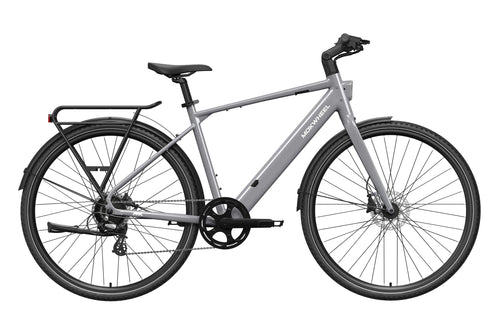
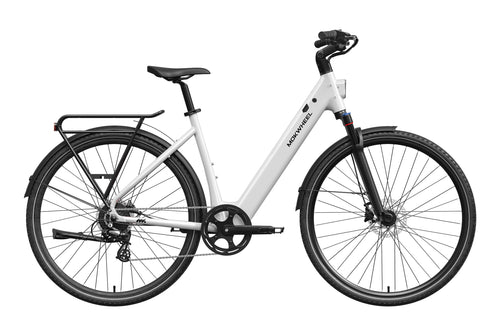
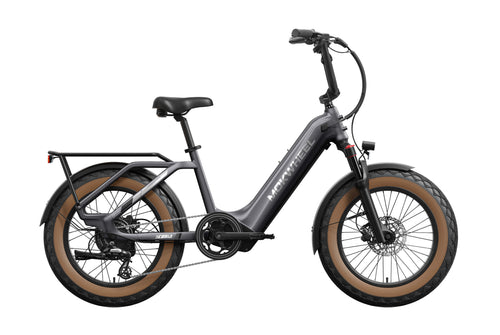
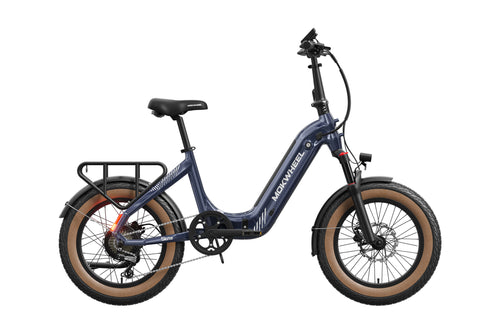
Electric bikes,often referred to as e-bikes, represent an innovation in the world of cycling. They are equipped with an electric motor that assists the rider during their rides. E-bikes are available in various categories, offering different speeds and throttle options. Extensive planning and development have gone into making e-bikes aerodynamic, comfortable, and stable, providing users with additional benefits.

What Are Traditional Bikes?
Traditional bikes, on the other hand, have maintained their classic style and design over the years. They are generally lighter than electric bikes and require manual pedaling.
Advantages of Electric Bikes
Motorized Assistance
The most notable feature that sets e-bikes apart from traditional bicycles is the electric motor assistance. E-bikes provide the rider with motor support, making pedaling less strenuous.
Some e-bikes even feature a pure motor mode, allowing you to reach speeds of up to 20 km/h using only the motor’s power. With this electric motor assistance, you can cover longer distances without exhausting yourself.
Off-Road Capability
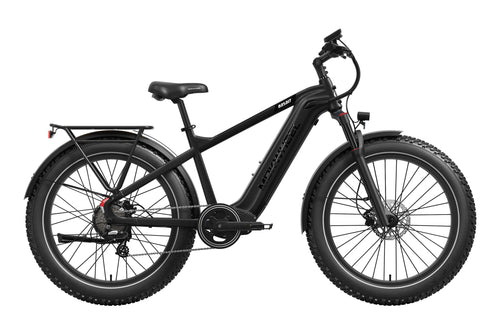
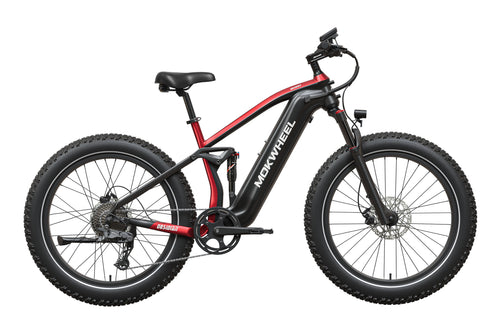
E-bikes come in various forms, including fat-tire electric bikes. These e-bikes are designed for longer rides and can carry additional loads. With an electric bike, you can travel distances of up to 80 miles without needing to recharge.
The fat tires are ideal for off-road use, allowing you to ride through grass, dirt, and uneven terrain. Mokwheel has taken this a step further by introducing solar e-bikes that can even charge your devices during off-road adventures, making your trips even more exciting.
Additional Functionality
Electric bikes have transformed traditional cycling, with e-bike brands continually pushing boundaries to introduce exciting features. A notable innovation is the torque sensor, which measures the rider’s pedaling force and provides optimal assistance. This feature allows riders to enjoy a comfortable ride without exerting excessive effort.
Additionally, e-bikes often come with a central LED display that lets you monitor your ride performance on the go. This central display can also connect to your smartphone, making it easy to track your daily performance.
High Versatility
E-bikes are suitable for a wide range of riders.
The electric motor assistance not only allows urban commuters to ride to work in style and without fatigue but also enables long trips for recreational riders. With motor assistance, torque sensors, and enhanced comfort, these bikes provide a versatile riding experience.
Disadvantages of Electric Bikes
Electric bikes offer a range of benefits, providing riders with a comfortable experience and innovative features. However, there are some drawbacks to consider.
-
Electric bikes may require costly maintenance if the motor fails or the battery needs replacement.
-
A weak battery can limit the distance you can travel before needing a recharge.
-
Riders may have to wait several hours for the battery to fully recharge.

Advantages of Traditional Bikes
Exercise and Fitness
While e-bikes also require pedaling, traditional bikes demand significantly more physical effort. Therefore, they are better suited for those who want to burn more calories. It is reported that riding a traditional bike for one hour burns an average of up to 225 calories, compared to about 125 calories on an e-bike.
Simplicity
Traditional bikes are known for their simplicity. They do not have electrical components or high-end features that might fail over time. This simplicity allows you to enjoy your bike every day without worrying about costly maintenance.
Lightweight
Without electrical components, traditional bikes are significantly lighter than e-bikes. This lower weight makes it easier for riders to maneuver at high speeds and navigate through traffic. Additionally, their light weight makes them easier to transport, whether in trains or trucks.
Lower Cost
Cost is a key factor differentiating the two types of bikes. Traditional bikes have lower upfront costs and generally incur less maintenance expense compared to e-bikes. This makes them an excellent choice for fitness enthusiasts seeking a budget-friendly option.
Disadvantages of Traditional Bikes
Traditional bikes are a convenient way to commute, and their health benefits should not be underestimated. However, compared to electric bikes, they can fall short in several areas:
-
Urban commuters riding to work may become fatigued.
-
Keeping up with traffic in city centers can be challenging without exerting excessive effort.
-
Limited functionality and the absence of innovative features can impact the overall riding experience.
-
Pedaling on traditional bikes requires more physical effort, restricting riders to shorter distances.
-
Lack of motor assistance can make climbing hills and navigating uneven terrain difficult, sometimes requiring riders to dismount and push the bike uphill.
-
Traditional bikes may not be suitable for older riders, as pedaling puts more strain on the knees.

Cost Comparison
Price considerations play an important role in any purchasing decision. However, when comparing traditional bikes and electric bikes, price should be secondary, as these bikes offer different dynamics and features.
In the traditional bike market, entry-level bikes are available for around €250, mid-range recreational bikes for about €650, and entry-level mountain bikes for up to €1,200. In contrast, e-bikes typically start at around €1,200 and can go higher depending on needs and preferences.
Mokwheel has strategically priced its bikes to appeal to a wide audience.
Performance Comparison
When objectively evaluating these two types of bicycles, electric bikes come out ahead in terms of performance and user-friendliness. E-bikes are a highly advanced mode of transportation suitable for commuting to the office, off-road adventures, and everyday rides.
Features such as the torque sensor, comfortable saddle, and aerodynamic design contribute to an enhanced riding experience compared to traditional bikes. In particular, Mokwheel’s e-bikes provide additional comfort thanks to adjustable fork suspension, Shimano gearing, and hydraulic brakes.
Moreover, electric bikes are generally considered a safer alternative to regular bicycles. E-bike manufacturers have introduced pedal-assist levels that allow you to ride at an optimal pace.
These bikes also come equipped with regenerative braking systems that help you maintain control over your speed. Bright front, rear, and side lights further enhance safety. In contrast, traditional bikes often lack these safety features, which is offset by their lower cost.
Conclusion: Which Bike Is Better for You?
After our in-depth analysis, it is clear that electric bikes offer a convenient transportation solution for urban commuters, recreational riders, frequent travelers, and cycling enthusiasts. However, if your goal is an intense workout on the bike, traditional bicycles are the better choice.
If you are interested in electric bikes, explore the Mokwheel e-bike collection and our latest offers. Mokwheel has established itself as an expert in e-bike manufacturing, offering a dynamic range of options suitable for all riders. You can even customize your e-bike by adding accessories from our Mokwheel shop. We have e-bikes for everyone—contact us to find your perfect e-bike!


